
You trust your team, right?
They’re smart. They work hard. And they’ve probably heard all about phishing emails—the ones that try to trick you into giving away personal info or downloading harmful files.
They know better than to fall for that stuff.
Or at least… they think they do.
Here’s the problem: Just because someone thinks they can spot a phishing scam doesn’t mean they actually can. And that’s exactly what cyber criminals are counting on.
Recent research shows that 86% of employees believe they can confidently spot a phishing email. But over half of them have already been fooled by one.
Let that sink in.
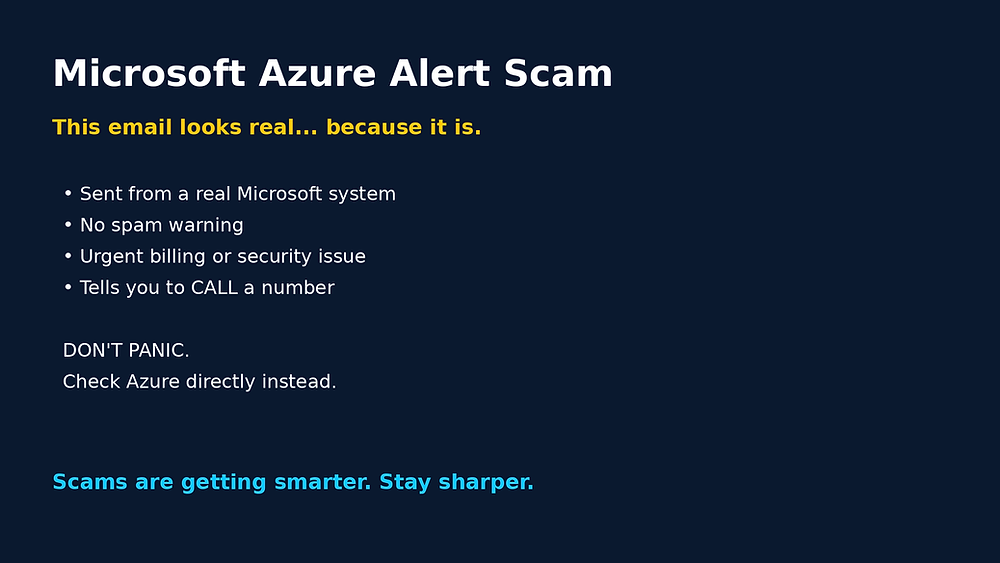
People who knew about phishing and felt totally confident still got tricked. That’s because scams have evolved. These days, it’s not just the “Nigerian prince” emails. Criminals are smarter now. They send things like:
- Emails that look like they’re from your bank or vendors
- Fake invoices that seem totally real
- Messages that appear to come from your boss or coworkers
And here’s the kicker: the more confident someone is, the more likely they are to drop their guard. This is known as the Dunning-Kruger effect—when people overestimate what they know.
So what’s the risk?
Overconfident people stop being careful. They don’t double-check links. They don’t pause to question a weird-looking email. They just click—and boom, your business is at risk.
But there’s good news.
You can lower the chances of falling for phishing attacks. It starts with a mindset shift. Don’t just assume your team knows what to do. Teach them. Run regular phishing awareness training so they can spot the latest tricks.
And just as important—make sure your people feel safe speaking up. If they think they clicked something sketchy, they should feel comfortable reporting it without getting blamed. A blame-free culture makes all the difference.
At the end of the day, cyber security isn’t about being smart. It’s about being careful. Even tech-savvy people can get fooled. The goal is to stay alert and assume that any email could be a scam.
Because the moment someone says, “I’d never fall for that”…
…is usually the moment they do.